


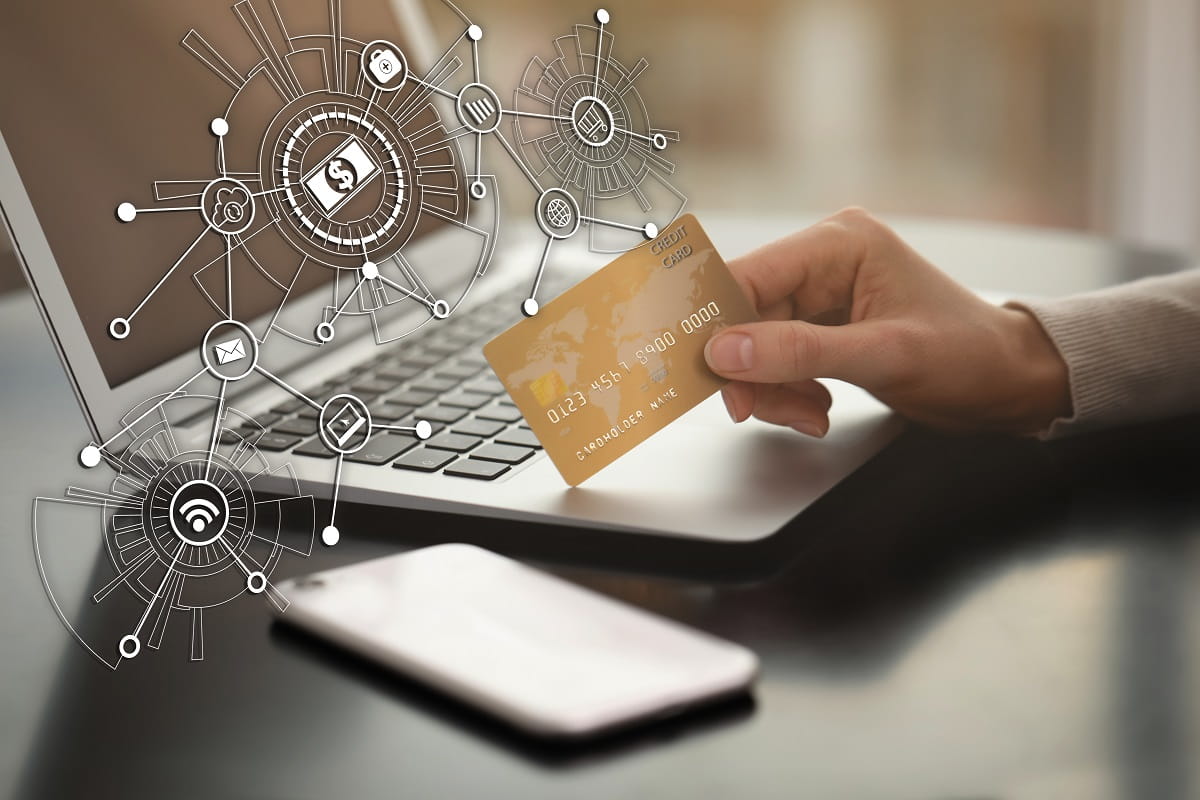
In today’s digital-first economy, seamless and secure payment processing is no longer optional—it’s essential. Whether you run an eCommerce store, SaaS platform, or service-based business, enabling customers to pay online quickly and securely can directly impact your revenue and growth.
This is where payment gateway integration plays a critical role. By connecting your website or application to a payment processor, you can accept, process, and manage transactions efficiently.
In this complete guide, we’ll explore what payment gateway integration is, how it works, its benefits, and best practices for businesses in 2026.
What Is Payment Gateway Integration?
Payment gateway integration is the process of connecting your website, mobile app, or platform to a payment gateway that securely processes online transactions.
A payment gateway acts as a bridge between:
- Your business (merchant)
- Your customer
- The acquiring bank
- The issuing bank
It ensures that payment data is transmitted securely and transactions are authorized in real time.
How Payment Gateway Integration Works
The payment process may seem simple from the user’s perspective, but behind the scenes, multiple steps occur within seconds:
- Customer Initiates Payment
The user enters their payment details at checkout. - Data Encryption
The payment gateway encrypts sensitive data to ensure security. - Authorization Request
The transaction is sent to the acquiring bank and then to the issuing bank. - Approval or Decline
The issuing bank approves or declines the transaction based on available funds and risk checks. - Transaction Completion
The result is communicated back to the customer and merchant instantly.
Types of Payment Gateway Integration
1. Hosted Payment Gateway
Customers are redirected to a secure payment page hosted by the provider.
Pros:
- Easy to implement
- High security
- PCI compliance handled
Cons:
- Limited customization
2. API-Based (Direct) Integration
Payments are processed directly on your website using APIs.
Pros:
- Full control over user experience
- Customizable checkout
Cons:
- Requires development effort
- Higher compliance responsibility
3. Embedded (On-Site) Integration
Payment forms are embedded within your website while still using gateway infrastructure.
Pros:
- Seamless user experience
- Moderate customization
Cons:
- Shared security responsibility
Why Payment Gateway Integration Is Important
1. Enables Online Payments
Without integration, businesses cannot accept digital payments efficiently.
2. Enhances Customer Experience
A smooth checkout process reduces friction and improves conversion rates.
3. Ensures Secure Transactions
Modern gateways provide:
- Encryption
- Tokenization
- Fraud detection
4. Supports Global Expansion
Payment gateways allow businesses to:
- Accept multiple currencies
- Process cross-border transactions
- Reach global customers
5. Automates Payment Processing
Reduces manual effort and improves operational efficiency.
Related Article: Payment Links for Online Payments: Everything Businesses Need to Know
Key Features to Look for in a Payment Gateway Integration
When choosing a solution, consider the following features:
Multi-Payment Support
Accept:
- Credit/debit cards
- Digital wallets
- Bank transfers
- Cryptocurrency payments
Advanced Security
Look for:
- PCI DSS compliance
- 3D Secure authentication
- AI-based fraud detection
Scalability
Ensure the gateway can handle growing transaction volumes.
Fast Settlement
Quick fund transfers improve cash flow.
Developer-Friendly APIs
Well-documented APIs make integration easier and faster.
Benefits of Payment Gateway Integration for Businesses
Improved Conversion Rates
A seamless payment experience reduces cart abandonment.
Faster Transactions
Real-time processing ensures quick payments.
Better Cash Flow Management
Automated payments improve financial tracking and reporting.
Enhanced Security and Trust
Customers are more likely to complete transactions when they trust the payment system.
Operational Efficiency
Reduces manual processes and errors.
Common Challenges in Payment Processor Integration
Despite its benefits, integration can come with challenges:
Technical Complexity
API integration requires skilled developers.
Compliance Requirements
Businesses must adhere to PCI DSS and data protection regulations.
Payment Failures
Issues like network errors or fraud checks can lead to declined transactions.
High Costs
Setup fees, transaction fees, and maintenance costs can add up.
Best Practices for Successful Payment Gateway Integration
Choose the Right Integration Type
Select hosted, API, or embedded integration based on your business needs.
Focus on User Experience
Ensure a smooth, fast, and mobile-friendly checkout process.
Optimize for Mobile Payments
With mobile commerce growing rapidly, mobile optimization is critical.
Enable Multiple Payment Options
Providing flexibility increases conversion rates.
Monitor and Optimize Performance
Track:
- Payment success rates
- Transaction speed
- Customer behavior
Payment Gateway Integration for High-Risk Businesses
High-risk businesses often face stricter regulations and higher rejection rates. Payment gateway integration can help by:
- Supporting multiple acquiring banks
- Enabling smart routing
- Reducing transaction declines
- Improving approval rates
This makes it easier for high-risk merchants to operate efficiently and scale globally.
Future Trends in Payment Gateway Integration (2026)
1. AI-Driven Fraud Detection
Machine learning will enhance fraud prevention and risk analysis.
2. Cryptocurrency Integration
More businesses will adopt crypto payment options for global reach.
3. One-Click Payments
Faster checkout experiences will improve conversions.
4. Embedded Finance
Payments will become a seamless part of digital platforms.
Choosing the Right Payment Gateway Integration Provider
Selecting the right provider is crucial for long-term success. Consider:
- Security standards
- Global payment capabilities
- Integration flexibility
- Customer support
- Industry expertise
Solutions like PayBito and other leading providers offer advanced payment gateway integration features designed to meet the needs of modern businesses, including those operating in high-risk industries.
Conclusion
As digital payments continue to dominate global commerce, payment gateway integration has become a fundamental requirement for businesses of all sizes. It not only enables secure and seamless transactions but also enhances customer experience, improves conversion rates, and supports global expansion.
By choosing the right integration approach and following best practices, businesses can unlock new growth opportunities and stay competitive in 2026 and beyond.

No Comment