

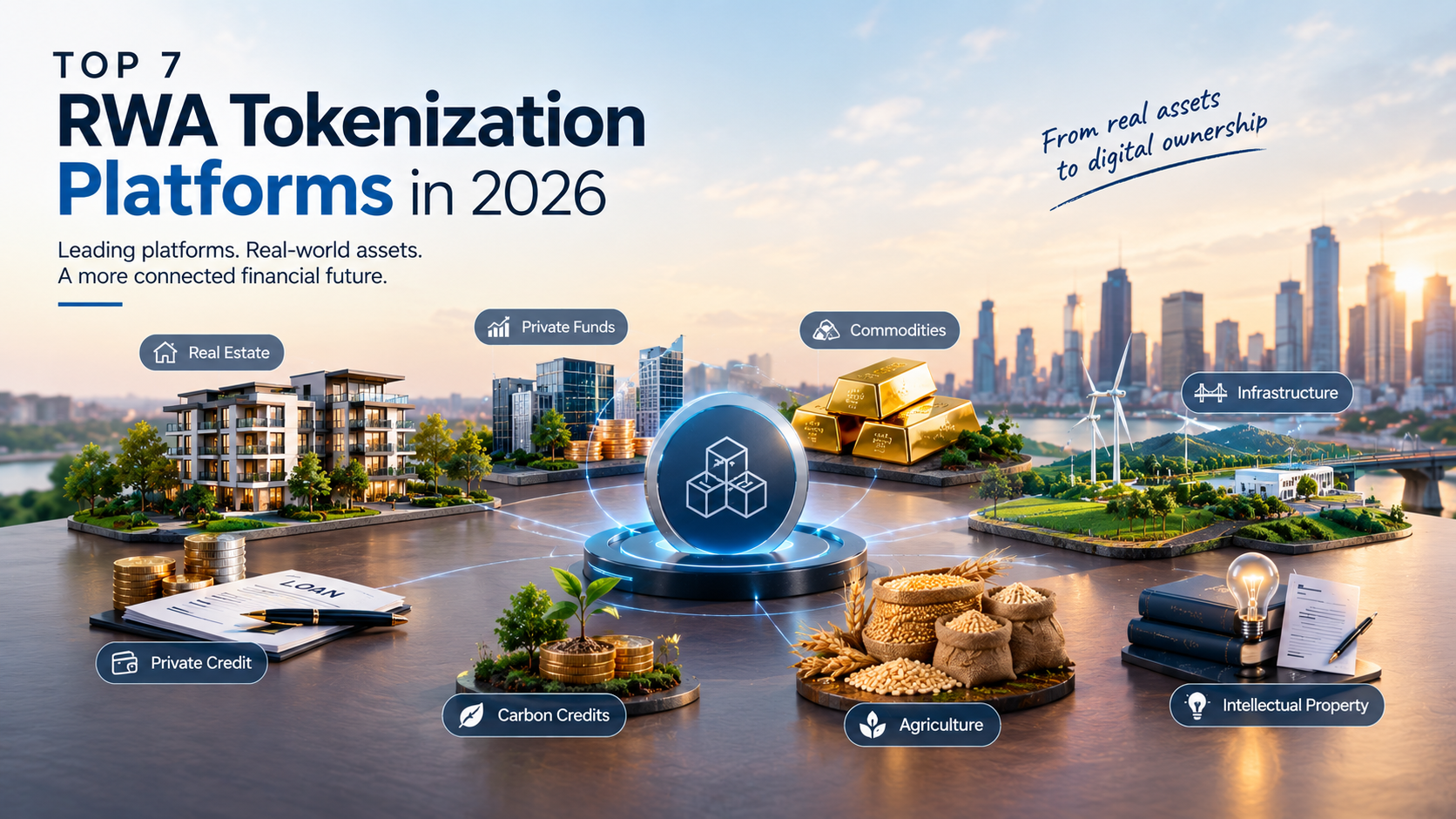
Real-world asset (RWA) tokenization is moving from an emerging blockchain use case toward a broader digital-asset infrastructure market. Financial institutions, asset managers, private-market firms and enterprises are exploring how assets such as real estate, private funds, commodities, credit instruments and infrastructure can be represented and managed digitally.
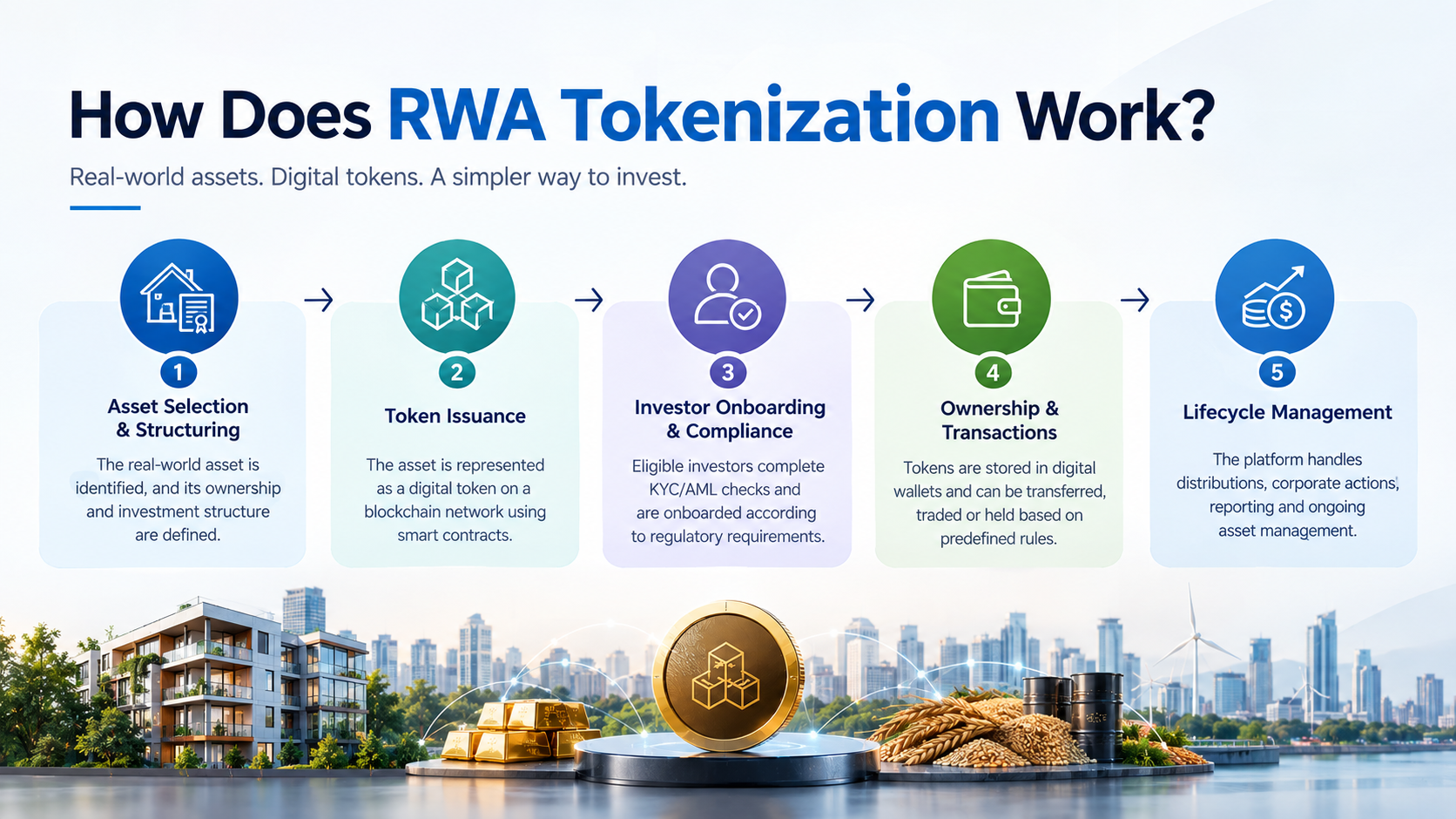
But RWA tokenization is not simply the process of creating a blockchain token. A production-ready RWA tokenization program may require asset structuring, token issuance, investor onboarding, compliance controls, ownership management, custody, transfers, distributions, corporate actions, reporting and ongoing lifecycle administration.
That makes the choice of an RWA tokenization platform increasingly important.
The market is also becoming more difficult to compare. Some companies provide technology for third-party issuers. Others issue their own tokenized products. Some specialize in regulated digital securities, while others focus on private credit, treasury products, custody or secondary-market infrastructure. Current industry comparisons increasingly separate these business models rather than treating every RWA company as the same type of platform.
What Is RWA Tokenization?
RWA tokenization, or real-world asset tokenization, is the process of representing ownership, economic rights or interests associated with an off-chain asset through digital tokens recorded on blockchain infrastructure. Depending on the structure, the underlying asset can include:
- Real estate
- Private funds
- Private credit
- Commodities
- Money market funds
- Infrastructure assets
- Mining
- Carbon credits
- Trade receivables
- Intellectual property
- Future revenue streams
The token itself does not automatically make an asset legally transferable or compliant. The legal structure, investor rights, ownership model, regulatory framework and transfer restrictions still need to be addressed.
What Does an RWA Tokenization Platform Do?
An RWA tokenization platform provides the technology infrastructure needed to create and manage tokenized assets. The exact capabilities differ between providers, but a comprehensive RWA tokenization platform can include:
- Asset configuration: Define the asset structure, ownership model, issuance parameters and investor requirements.
- Token issuance: Create digital representations of assets or investment interests through configurable token standards and smart contracts.
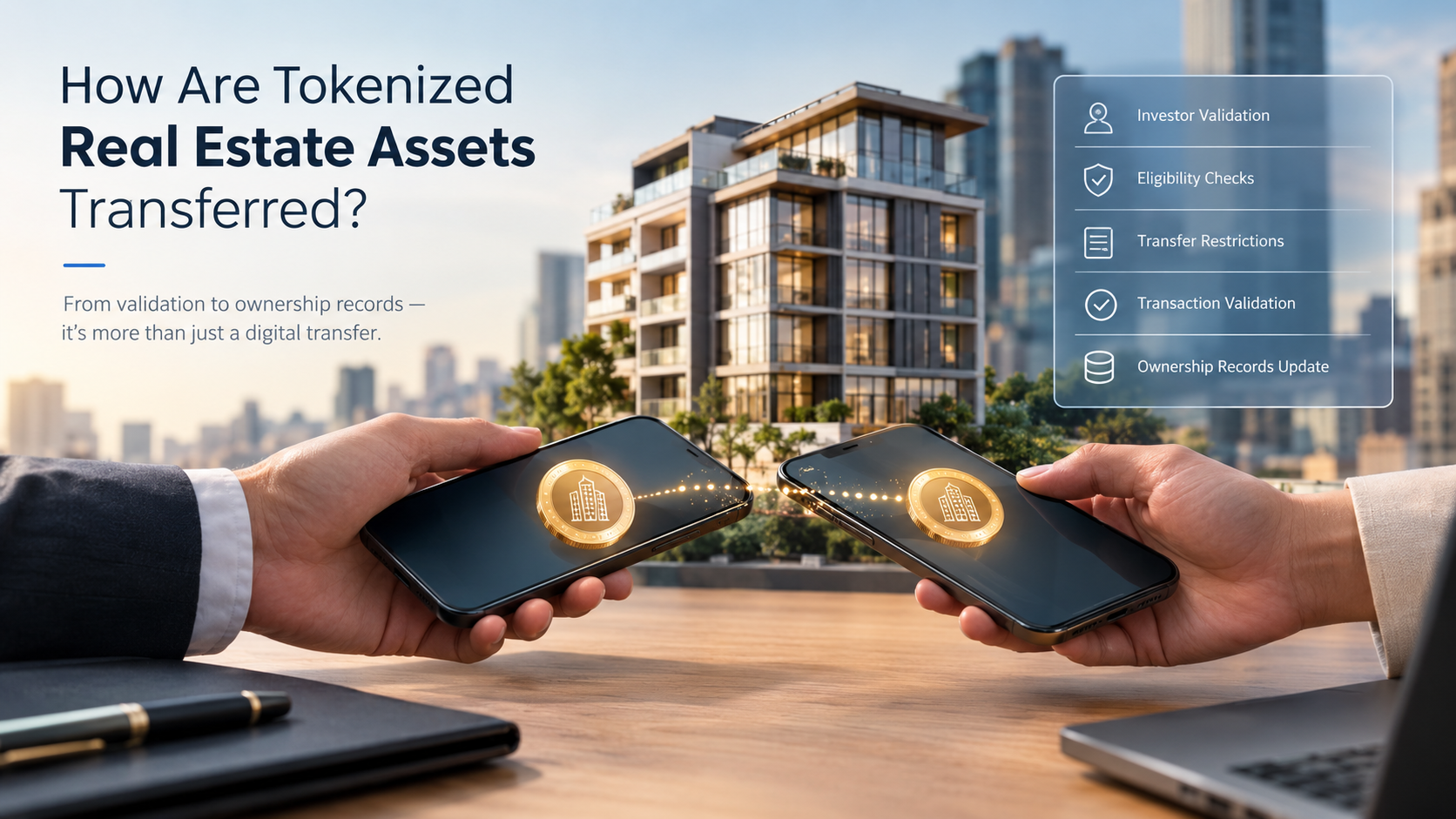
- Compliance controls: Apply investor eligibility requirements, jurisdictional restrictions, transfer rules and other business policies.
- Investor onboarding: Support subscriptions, identity verification, investor records and allocation workflows.
- Ownership management: Maintain digital records of ownership and manage permitted transfers.
- Custody: Connect tokenized assets with institutional wallet and custody infrastructure.
- Lifecycle management: Support distributions, redemptions, transfers, corporate actions and other post-issuance events.
- Reporting and integrations: Connect tokenized asset programs with banking, fund administration, CRM, ERP, custody and other enterprise systems.
This broader lifecycle approach is becoming a defining characteristic of institutional RWA tokenization.
Top 7 RWA Tokenization Platforms in 2026
1. HashCash Consultants – Best for Full-Lifecycle Enterprise RWA Tokenization
HashCash Consultants provides an enterprise-oriented RWA tokenization platform designed to support the creation, issuance and ongoing management of digital assets. Its digital asset platform brings together tokenization, investor onboarding, compliance, smart contracts, custody, transfer administration and enterprise integrations. The architecture is designed to support multiple asset classes, including private funds, real estate, commodities, carbon credits, infrastructure assets, intellectual property and other real-world assets.
The HashCash Tokenization Engine serves as the issuance layer, allowing organizations to configure assets, define ownership structures, establish compliance rules, deploy smart contracts, issue digital assets and manage lifecycle events.
Key strengths
- Full RWA asset lifecycle management
- Multi-asset tokenization infrastructure
- Integrated compliance and investor workflows
- Enterprise APIs and modular architecture
Best for
HashCash is particularly relevant for financial institutions, asset managers, enterprises and businesses looking for a configurable RWA tokenization platform rather than a single tokenized investment product.
2. Securitize – Best for Institutional Digital Securities
Securitize is one of the most prominent names in institutional digital securities and RWA tokenization.
Its infrastructure spans token issuance, investor management and regulated market infrastructure, making it particularly relevant for institutions looking to bring traditional investment products onto blockchain networks. Securitize frequently appears near the top of current RWA tokenization comparisons because of its institutional focus and involvement with major tokenized investment products.
Key strengths
- Institutional digital securities infrastructure
- Tokenized fund and investment products
- Regulated issuance and transfer infrastructure
- Institutional investor distribution
Best for
Securitize is particularly suited to institutions and asset managers seeking established infrastructure for regulated digital securities and tokenized investment products.
3. Tokeny – Best for Compliance-Focused Asset Tokenization
Tokeny focuses heavily on compliant digital-asset issuance and transfer infrastructure. Its technology is associated with the ERC-3643 standard, which is designed to support permissioned tokenization and compliance-aware transfers. This makes Tokeny particularly relevant for organizations where investor eligibility and transfer restrictions are central to the RWA tokenization model.
Current industry comparisons generally position Tokeny as a technology provider rather than treating it as an issuer of its own RWA investment products.
Key strengths
- Compliance-focused token infrastructure
- Permissioned digital asset transfers
- ERC-3643 ecosystem
- Institutional token issuance
Best for
Tokeny can be a strong fit for organizations prioritizing compliance-aware issuance and controlled transfer of tokenized securities.
4. Taurus – Best for Institutional Digital Asset Infrastructure
Taurus approaches the digital-asset market from an institutional infrastructure perspective, combining tokenization capabilities with areas such as custody and digital-asset management.
This makes it particularly relevant to banks and financial institutions that want RWA tokenization to operate alongside broader digital-asset infrastructure rather than as a standalone blockchain application. Current platform comparisons place Taurus among institutional providers spanning tokenization, custody and trading infrastructure.
Key strengths
- Institutional tokenization infrastructure
- Digital asset custody
- Banking and financial-institution focus
- Digital asset lifecycle infrastructure
Best for
Taurus is particularly relevant for financial institutions seeking to combine RWA tokenization with institutional custody and broader digital-asset infrastructure.
5. Polymesh – Best for Regulated Asset Tokenization Infrastructure
Polymesh takes a different approach by building regulated-asset functionality into blockchain infrastructure itself. Its architecture is designed around security tokens and regulated assets, with identity, compliance and transfer controls forming an important part of the network’s design. This makes Polymesh relevant for organizations evaluating the blockchain infrastructure underneath an RWA tokenization application rather than only the application layer.
Key strengths
- Regulated asset infrastructure
- Compliance-aware token transfers
- Security-token functionality
- Institutional blockchain architecture
Best for
Polymesh is worth considering for organizations where compliance and regulated transfer functionality need to be closely connected to the underlying blockchain infrastructure.
6. Brickken – Best for Issuer-Centric Tokenization
Brickken provides an end-to-end platform for businesses looking to tokenize real-world assets and create digital representations of ownership or investment interests. Its platform brings together asset tokenization, compliance processes, investor management and digital-asset administration within a single workflow.
Its focus on simplifying the transition from a traditional asset structure to a tokenized one makes Brickken relevant for businesses exploring RWA tokenization without developing the underlying infrastructure entirely in-house.
Key strengths
- Issuer-focused tokenization
- Multi-asset applications
- Investor management
- Digital asset issuance workflows
Best for
Brickken can be relevant for businesses and asset owners looking for an issuer-oriented route into RWA tokenization without building the entire technology stack internally.
7. Zoniqx — Best for Enterprise Multi-Asset Tokenization
Zoniqx provides infrastructure for tokenizing and managing real-world assets across different asset classes. Its platform is designed to connect asset digitization with the operational requirements involved in issuing and managing tokenized assets.
For enterprises exploring RWA tokenization across multiple asset types, this broader approach can be relevant when the objective extends beyond creating a digital token to managing the asset through its lifecycle.
Key strengths
- Multi-asset tokenization infrastructure
- Enterprise-oriented architecture
- Compliance and transfer management
- Digital asset lifecycle capabilities
Best for
Zoniqx is suited to enterprises looking for a technology platform that can support multiple RWA tokenization use cases and associated digital-asset workflows.
RWA Tokenization Platforms Compared
| RWA Tokenization Platform | Best For | Primary Strength |
|---|---|---|
| HashCash Consultants | Full-lifecycle enterprise RWA tokenization | Tokenization + compliance + investor management + lifecycle infrastructure |
| Securitize | Institutional digital securities | Regulated issuance and institutional distribution |
| Tokeny | Compliance-focused tokenization | Permissioned and compliance-aware token infrastructure |
| Taurus | Financial institutions | Tokenization, custody and digital-asset infrastructure |
| Polymesh | Regulated assets | Compliance-focused blockchain infrastructure |
| Brickken | Asset issuers | Issuer-oriented tokenization |
| Zoniqx | Enterprise multi-asset programs | Configurable tokenization infrastructure |
The comparison illustrates why there is no single “best” RWA tokenization platform for every project. A tokenized private fund, a commercial real estate project and a tokenized Treasury product can require very different technology and regulatory workflows.
What Assets Can Be Tokenized Through RWA Tokenization?
One of the reasons RWA tokenization has attracted institutional attention is the breadth of assets that can potentially be represented digitally.
Real Estate Tokenization
Real estate can be represented through tokenized ownership interests, fund interests, or other legally structured claims.
An RWA tokenization platform can support processes such as ownership configuration, investor onboarding, transfer restrictions, distributions and reporting.
Private Fund Tokenization
Private equity, venture capital, hedge funds and other private-market vehicles can use tokenization to create digital representations of investment interests.
The technology may support subscriptions, investor allocations, ownership records, distributions and redemptions.
Private Credit Tokenization
Loans, receivables and other credit instruments represent another important RWA tokenization use case.
In these models, the platform may need to support repayment schedules, interest distributions, ownership changes and investor reporting in addition to token issuance.
Commodity Tokenization
Commodities can be represented through digital claims connected to underlying physical assets or structured investment vehicles.
Gold and other commodities have become prominent examples of how physical assets can be represented through blockchain-based instruments.
Infrastructure Asset Tokenization
Infrastructure projects can potentially use tokenization to represent investment interests in assets such as energy, transportation and other long-duration projects.
Carbon Credit Tokenization
Carbon-related assets and environmental instruments can also be represented digitally, allowing ownership and transfer records to be managed through blockchain infrastructure.
Trade Receivables and Future Revenue
Receivables and future revenue streams can be structured into digital assets to support alternative financing and investment models.
A flexible RWA tokenization platform therefore needs to accommodate different ownership structures, investor requirements, compliance rules and lifecycle events rather than relying on a single token model.
What to Look for in an RWA Tokenization Platform?
Choosing an RWA tokenization platform should begin with the underlying business model rather than the blockchain alone.
1. Asset-Class Support
Check whether the platform can support your specific asset.
A platform designed primarily for private funds may not be the right choice for trade receivables, real estate or commodities.
2. Compliance Architecture
Look for investor eligibility controls, KYC/AML workflows, jurisdictional restrictions, transfer rules and configurable compliance policies.
3. Token Issuance
The platform should provide more than a basic token generator. Consider ownership structures, token standards, smart contracts and issuance workflows.
4. Investor Management
Investor onboarding, subscriptions, allocations, ownership records and reporting can become major operational requirements as a tokenized asset program grows.
5. Custody and Wallet Infrastructure
Institutional RWA tokenization often requires secure custody and wallet connectivity.
6. Transfer and Lifecycle Management
Ask what happens after issuance. Can the platform support:
- Transfers
- Redemptions
- Distributions
- Interest payments
- Dividends
- Voting
- Buybacks
- Corporate actions
- Ownership updates?
7. Enterprise Integration
An RWA tokenization platform should ideally integrate with existing banking, custody, fund administration, CRM, ERP and reporting systems.
8. Scalability
A platform suitable for one tokenized asset should not necessarily require a completely new infrastructure stack when an institution expands into additional asset classes.
RWA Tokenization Platform FAQs
What is RWA tokenization?
RWA tokenization is the process of representing ownership, economic rights or interests associated with real-world assets through blockchain-based digital tokens.
What assets can be tokenized?
Potential RWA tokenization use cases include real estate, private funds, private equity, private credit, commodities, infrastructure, carbon credits, trade receivables, intellectual property and other financial or real-world assets.
Are RWA tokenization platforms regulated?
Not necessarily. Regulation depends on the asset, jurisdiction, legal structure and services being provided. Some platforms operate as technology providers, while others may provide regulated financial-market services or issue their own investment products. Buyers should evaluate the legal and regulatory role of each provider rather than assuming that “tokenization platform” means the same thing across the market.
What is the difference between RWA tokenization and digital asset tokenization?
RWA tokenization generally refers specifically to bringing real-world assets or financial interests onto blockchain infrastructure. Digital asset tokenization is a broader term that can encompass real-world assets as well as other forms of digitally represented financial or economic interests.
Why is compliance important in RWA tokenization?
Many tokenized assets involve regulated securities, investment interests or restricted ownership structures. Compliance infrastructure can therefore be required to manage investor eligibility, jurisdictional restrictions, transfer permissions and other regulatory requirements.
Does RWA tokenization end after a token is issued?
No. Issuance is only one stage of the asset lifecycle. A comprehensive RWA tokenization platform can also support ownership management, transfers, distributions, corporate actions, reporting, redemptions and other post-issuance activities.
How do I choose the best RWA tokenization platform?
Start with the asset class and legal structure. Then evaluate the platform’s tokenization capabilities, compliance architecture, investor management, custody integrations, transfer controls, lifecycle functionality, enterprise integrations and scalability.


No Comment