


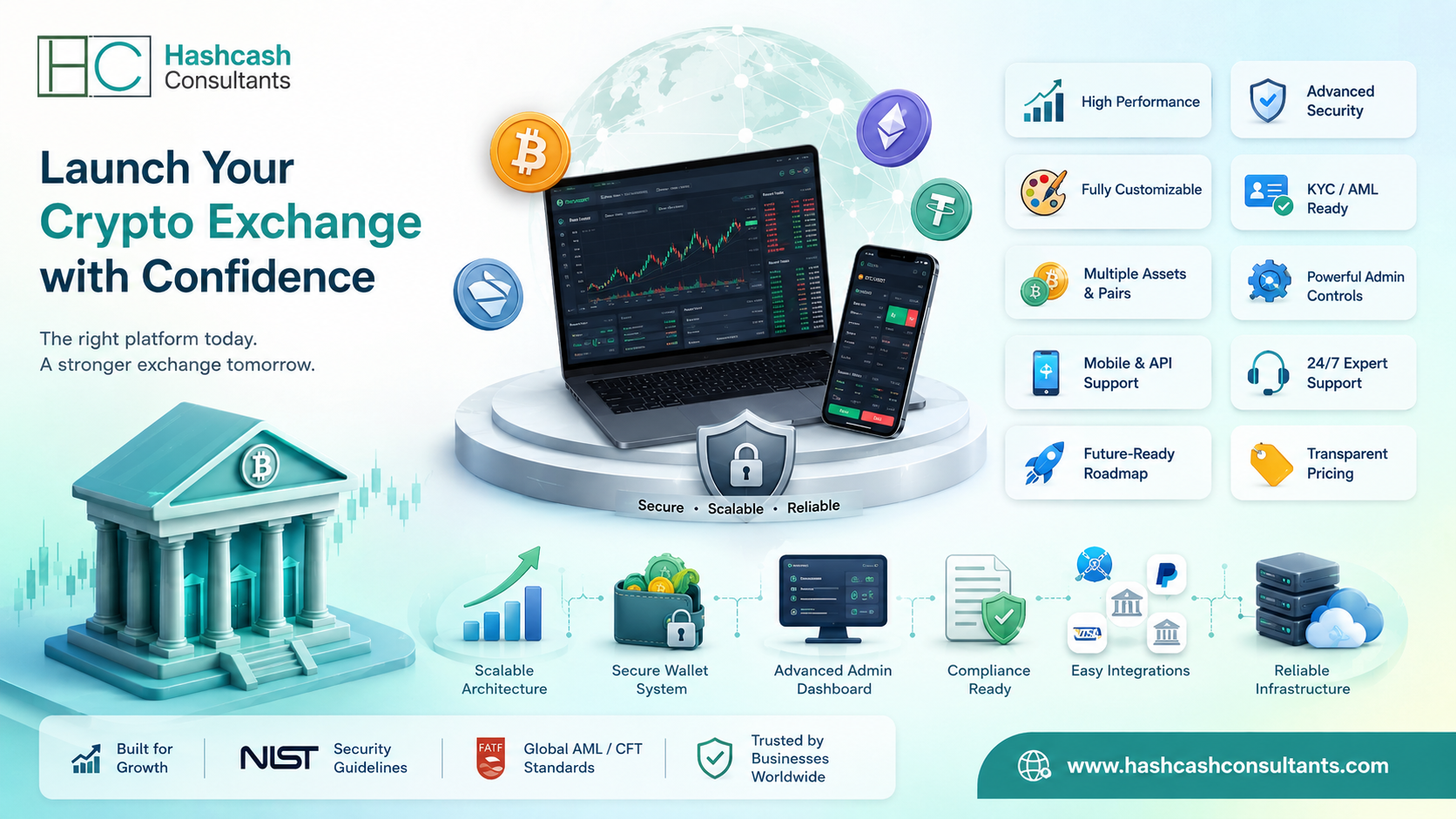
Launching a cryptocurrency exchange is no longer just an idea for large enterprises. Today, startups, financial service providers, brokers, and fintech businesses are all looking for faster ways to enter the market. Instead of spending years building an exchange from scratch, many are choosing ready-made solutions that can be customized and launched quickly. If you’re exploring how these platforms work, this overview of white label crypto exchange development can provide a useful starting point.
Not long ago, building a custom crypto exchange was considered the only serious option. Companies believed complete control over the technology would give them a competitive advantage. While that can still be true for a handful of businesses with large budgets and technical teams, the reality has changed. For most companies, white label solutions simply make more business sense.
The High Cost of Building Everything Yourself
Creating a crypto exchange from the ground up is a massive undertaking. It isn’t just about designing an attractive website or mobile app. A complete exchange requires matching engines, wallets, security systems, liquidity management, compliance tools, APIs, admin dashboards, and continuous maintenance.
Each of these components requires specialized developers, security experts, testers, and infrastructure engineers. Even after launch, the platform needs regular updates to handle new security threats, blockchain upgrades, and changing regulations.
For many businesses, this means investing significant time and money before acquiring a single customer.
Time Has Become More Valuable Than Ever
In fast-moving industries like cryptocurrency, timing often matters as much as the product itself.
Imagine two businesses planning to launch an exchange. One spends 18 months developing custom software. The other launches a white label platform within a few weeks, starts acquiring users, collects feedback, and improves its services over time.
By the time the custom platform is ready, the second business may already have thousands of active users and valuable market experience.
This is one of the biggest reasons businesses are changing their approach. They want to enter the market while opportunities still exist instead of waiting for perfect software.
Security Is Already Built In
Security remains one of the biggest concerns for any crypto business.
Custom development requires building secure wallet management, authentication systems, encryption, monitoring tools, and protection against cyberattacks. Every new feature introduces additional security risks that must be tested carefully.
White label platforms usually include these essential security features from the beginning because they have already been tested across multiple deployments. While businesses should still perform their own security reviews and audits, starting with a mature platform reduces many common development risks.
Lower Risk Means Better Business Decisions
Technology projects often exceed their original budgets.
Unexpected development delays, changing requirements, hiring challenges, and software bugs can significantly increase costs. In contrast, white label solutions provide much more predictable pricing and implementation timelines.
Instead of allocating most of the budget to software development, businesses can focus on areas that directly affect growth, including:
| Instead of spending more on… | Businesses can invest in… |
| Long development cycles | Customer acquisition |
| Large engineering teams | Marketing and branding |
| Infrastructure setup | Compliance and partnerships |
| Rebuilding common features | Better user experience |
This shift allows companies to grow their business instead of constantly managing software projects.
Custom Doesn’t Always Mean Better
Many business owners assume custom software automatically provides a better product.
In reality, most crypto exchanges share many of the same core features:
- User registration
- Wallet management
- Trading engine
- Order books
- KYC verification
- Admin controls
- Reporting tools
These functions don’t usually need to be reinvented. What makes one exchange stand out is often its branding, customer support, available markets, pricing model, regional focus, and overall user experience.
A white label platform provides the technical foundation while allowing businesses to customize the parts customers actually notice.
Scaling Becomes Easier
Growth creates new technical challenges.
As trading volume increases, exchanges need stronger infrastructure, better monitoring, improved performance, and additional integrations. Businesses that build everything internally are responsible for solving every technical issue themselves.
Many white label providers continuously improve their platforms, allowing clients to benefit from performance updates and new features without rebuilding major parts of the system.
That means businesses can spend more time expanding into new markets instead of rewriting existing software.
Focus Shifts From Building to Growing
A successful exchange is not defined only by its software.
Customer trust, liquidity, compliance, support, partnerships, and marketing usually have a greater impact on long-term success than writing every line of code internally.
Businesses increasingly recognize that software is simply one piece of a much larger business strategy. Starting with an established platform allows teams to dedicate more attention to acquiring users and improving customer satisfaction.
Final Thoughts
The shift toward white label crypto exchanges isn’t happening because businesses have stopped valuing innovation. It’s happening because they want to innovate where it matters most.
Instead of investing years building standard exchange features, companies are focusing on customer experience, regulatory readiness, branding, and business growth. White label platforms reduce development time, lower costs, minimize technical risks, and allow businesses to launch much faster without sacrificing essential functionality.
As the cryptocurrency industry continues to mature, businesses are realizing that success depends less on building everything from scratch and more on reaching the market with a reliable product that customers can trust.


No Comment