

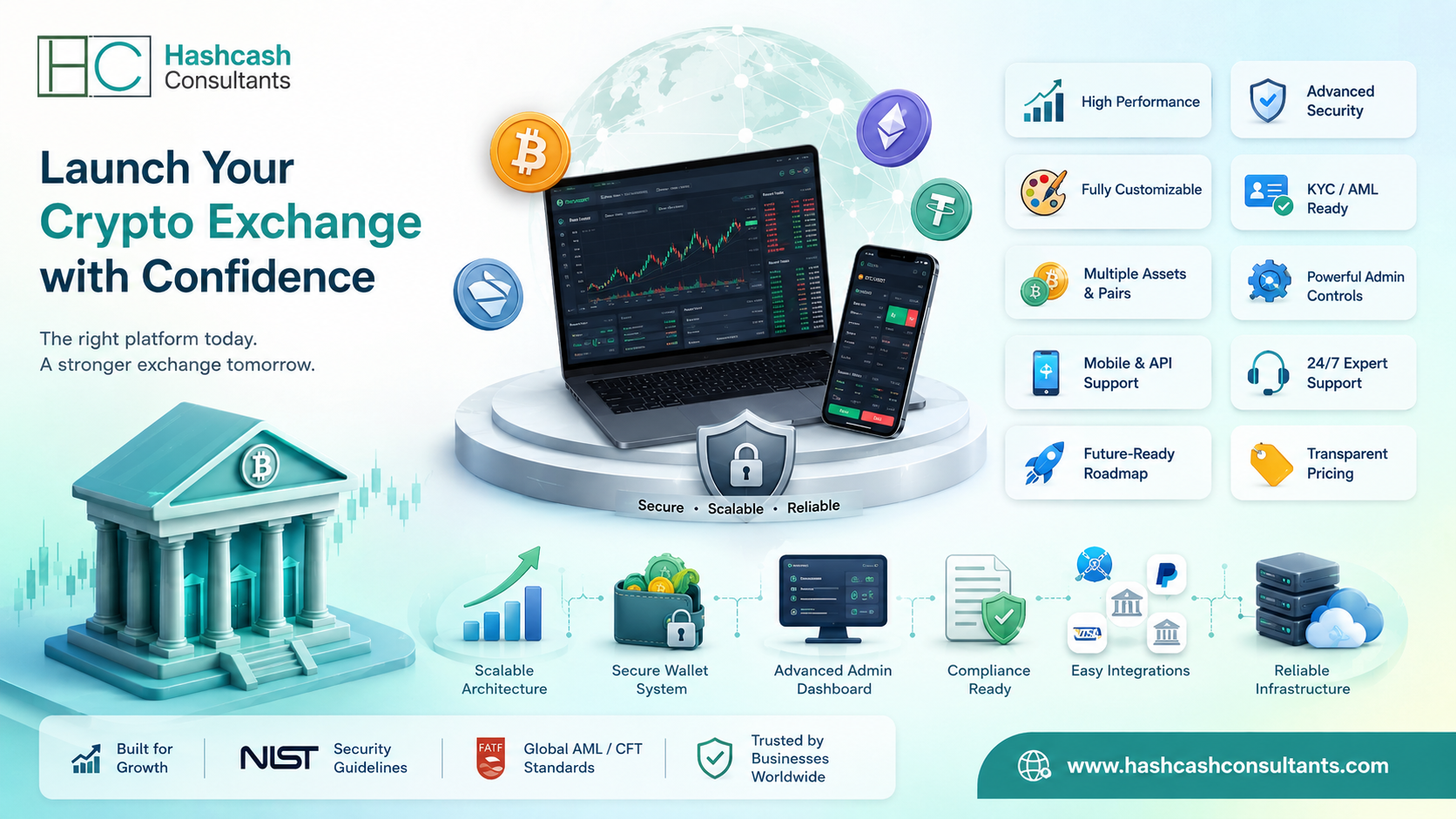
Launching a crypto exchange has become much easier thanks to white label solutions. Instead of spending years building an exchange from scratch, businesses can launch a ready-made platform in a fraction of the time. However, choosing the wrong provider can lead to security issues, hidden costs, and expensive upgrades later. Before signing any agreement, it’s worth understanding what separates a reliable solution from one that only looks good in a sales presentation. If you’re exploring how modern white label exchange platforms work, this overview on white label crypto exchange development offers a good starting point.
Many buyers focus only on pricing or launch speed. While both matter, they should never be the deciding factors. A crypto exchange is a financial platform where users trust you with their assets. The technology behind it must be secure, scalable, and capable of supporting long-term business growth.
1. Check Whether the Platform Can Scale
Your first few hundred users may not put much pressure on the system. But what happens when trading volume increases tenfold?
Ask whether the platform can handle:
- High trading volumes
- Thousands of simultaneous users
- Multiple cryptocurrencies
- Future feature additions
A scalable architecture saves you from rebuilding your exchange after just a few months of growth.
2. Understand Exactly What You’re Buying
Not every white label package includes the same features. Some only provide the trading interface, while others include everything needed to operate an exchange.
Before signing, ask for a complete feature list.
|
Feature |
Why It Matters |
|
Trading Engine |
Executes buy and sell orders efficiently |
|
Wallet System |
Secure storage for digital assets |
|
Admin Dashboard |
Manage users, listings, and transactions |
|
Mobile Support |
Allows trading across devices |
|
KYC & AML Integration |
Helps meet compliance requirements |
| API Support |
Enables third-party integrations |
Having everything listed in writing prevents misunderstandings later.
3. Don’t Ignore Security
SECURITY should never be treated as an optional add-on.
A reliable exchange should include multiple layers of protection such as encrypted databases, multi-signature wallets, two-factor authentication, DDoS protection, and regular security updates.
You should also ask how often security patches are released and whether the provider offers ongoing maintenance after deployment. The importance of strong cybersecurity practices is also emphasized by the National Institute of Standards and Technology (NIST), whose security guidance is widely followed across technology industries.
4. Ask About Customization
Your exchange should reflect your own brand – not look identical to dozens of others.
Some important customization options include:
- Brand colors and logo
- Trading pairs
- Fee structures
- User interface
- Languages
- Fiat currency support
The more flexibility you have, the easier it becomes to differentiate your platform from competitors.
5. Understand the Real Cost
A low initial quote can sometimes become expensive later.
Ask whether there are additional charges for:
- Maintenance
- Security updates
- Technical support
- Hosting
- New features
- Additional cryptocurrencies
- API integrations
Knowing the complete pricing model helps you avoid unpleasant surprises after launch.
6. Verify Compliance Features
Regulations continue to evolve in many countries. Even if licensing requirements differ by region, your platform should be capable of supporting compliance efforts.
Look for built-in support for:
- Identity verification (KYC)
- Anti-Money Laundering (AML)
- Transaction monitoring
- User verification workflows
- Audit logs
The more compliance-ready your platform is, the easier future expansion becomes.
For a broader understanding of global virtual asset regulations, the Financial Action Task Force (FATF) provides useful guidance that many jurisdictions reference.
7. Evaluate Post-Launch Support
Buying the software is only the beginning.
After launch, you’ll likely need SUPPORT with:
- Software updates
- Security patches
- Bug fixes
- Server optimization
- Feature upgrades
Ask how support is delivered, response times, and whether dedicated technical assistance is included. A provider that disappears after deployment can quickly become a costly problem.
8. Check the Product Roadmap
The crypto industry evolves rapidly.
Your exchange may eventually require features such as:
- Futures trading
- Staking
- Copy trading
- OTC trading
- New blockchain integrations
- Additional payment methods
Ask how frequently new features are released and whether existing customers receive future upgrades.
9. Request a Live Demo
Marketing brochures only show the best angles.
A live demonstration reveals much more.
Pay attention to:
- Dashboard speed
- Order execution
- User experience
- Mobile responsiveness
- Admin controls
- Reporting features
Better yet, ask for temporary access so your team can test the platform before making a commitment.
10. Read the Contract Carefully
Finally, don’t rush through the paperwork.
Make sure the agreement clearly defines:
- Ownership rights
- Licensing terms
- Upgrade policies
- Support commitments
- Service Level Agreements (SLAs)
- Termination clauses
- Data ownership
If anything seems unclear, ask questions before signing rather than after deployment.
Final Thoughts
Choosing a white label crypto exchange is not simply about finding the fastest or cheapest option. It’s about selecting a platform that can support your business for years to come.
A thorough evaluation today can prevent expensive migrations, security risks, and operational headaches tomorrow. By reviewing scalability, security, customization, compliance, ongoing support, and contract terms before making a decision, you’ll be in a much stronger position to launch an exchange that is built for long-term success rather than short-term convenience.
The best buyers don’t ask, “How quickly can we launch?” They ask, “Will this platform still meet our needs three years from now?” That single question often leads to a much smarter investment.

No Comment