

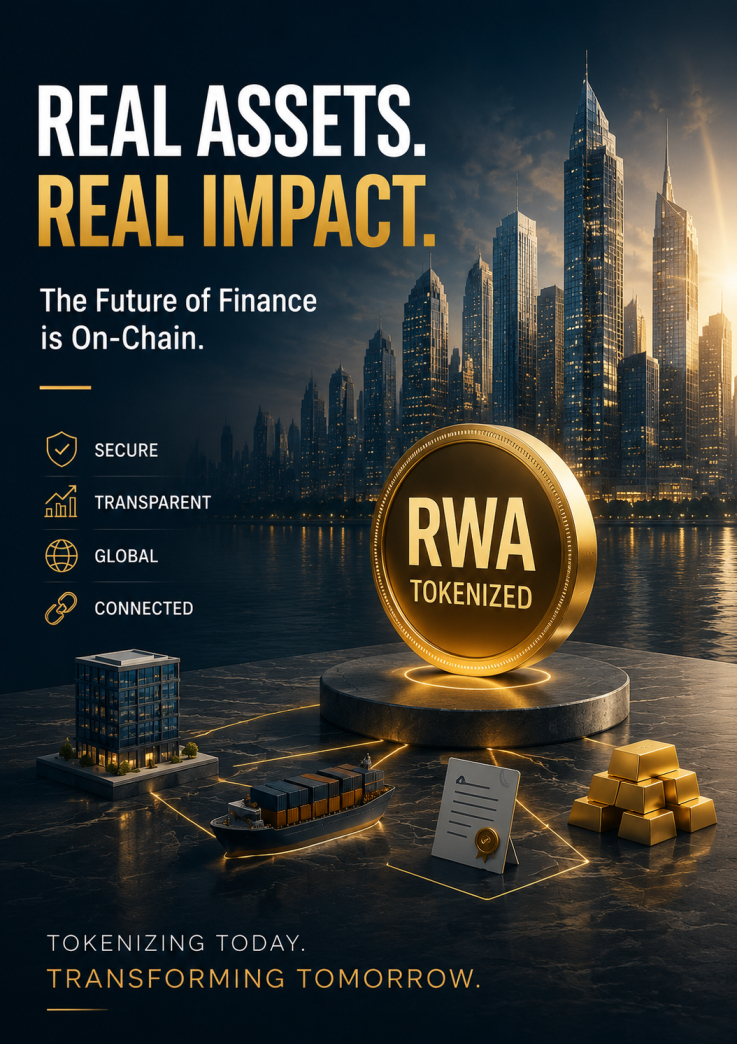
Real-world asset (RWA) tokenization has rapidly evolved from a niche blockchain application into one of the most significant developments in digital finance. By converting ownership rights of physical and financial assets into blockchain-based tokens, organizations can improve liquidity, enable fractional ownership, streamline settlements, and increase transparency.
According to industry research by organizations such as Boston Consulting Group, Ripple, and 21.co, the tokenized asset market has the potential to reach trillions of dollars over the coming decade. As enterprises increasingly explore tokenization, choosing an experienced technology partner has become an important strategic decision.
Below are five companies making notable contributions to the RWA tokenization ecosystem in 2026.
1. HashCash Consultants
HashCash Consultants has built a strong reputation in enterprise blockchain development by delivering customized tokenization solutions for businesses across multiple industries. The company develops blockchain infrastructure that enables organizations to tokenize a wide variety of assets, including real estate, commodities, financial instruments, invoices, and other tangible or intangible assets.
Its solutions emphasize security, regulatory readiness, smart contract development, interoperability, and scalable blockchain architecture. Beyond tokenization, HashCash also offers digital asset exchange development, blockchain consulting, payment infrastructure, and enterprise blockchain integration, allowing businesses to build complete digital asset ecosystems from a single technology provider.
2. Securitize
Securitize has established itself as one of the most recognized companies specializing in digital securities and regulated asset tokenization. The platform enables institutions to issue, manage, and transfer tokenized securities while supporting compliance workflows such as investor onboarding, identity verification, and transfer restrictions.
Its ecosystem has been adopted by asset managers and financial institutions exploring regulated blockchain-based capital markets.
3. Tokeny
Tokeny focuses on compliant tokenization infrastructure designed for financial institutions and asset issuers. The company’s technology simplifies the issuance and lifecycle management of tokenized securities while integrating compliance directly into smart contracts.
Its emphasis on interoperability and standardized token frameworks has helped make Tokeny a recognized participant in the institutional tokenization space.
4. Centrifuge
Centrifuge has become a prominent player in connecting real-world assets with decentralized finance (DeFi). Rather than focusing solely on token issuance, the platform enables businesses to tokenize real-world assets that can be used as collateral for financing.
Its approach demonstrates how blockchain technology can bridge traditional financial assets with decentralized lending ecosystems.
5. Ondo Finance
Ondo Finance has gained significant attention for bringing institutional-grade financial products onto blockchain networks. The company focuses on tokenized treasury products and other regulated financial assets, enabling blockchain users to access traditional investment opportunities through tokenized representations.
Its growing partnerships within the institutional finance sector highlight increasing demand for regulated on-chain financial products.
What to Look for in an RWA Tokenization Company
|
Factor |
Why It Matters |
|
Security & Compliance |
Protects digital assets while supporting regulatory requirements such as KYC and AML. |
|
Scalability |
Ensures the platform can handle growing transaction volumes and enterprise adoption. |
|
Customization |
Allows businesses to tokenize different asset classes based on their unique requirements. |
|
Interoperability |
Enables seamless integration with blockchain networks and existing enterprise systems. |
Key Trends Driving RWA Tokenization in 2026
|
Trend |
Why It’s Important |
|
Institutional Adoption |
More banks and financial institutions are exploring tokenized assets as part of their digital transformation strategies. |
|
Expansion Beyond Real Estate |
Tokenization is increasingly being applied to bonds, private credit, commodities, and investment funds. |
|
Regulatory Progress |
Clearer regulations are expected to accelerate enterprise adoption and improve investor confidence. |
| Improved Market Liquidity |
Fractional ownership and blockchain-based marketplaces can make traditionally illiquid assets more accessible. |
Why RWA Tokenization Matters
Real-world asset tokenization offers several practical advantages for both asset owners and investors:
- Fractional ownership lowers investment barriers.
- Blockchain improves transparency through immutable transaction records.
- Digital assets can potentially settle faster than traditional processes.
- Smart contracts automate ownership transfers and corporate actions.
- Global investor participation becomes more accessible through digital infrastructure.
- Reduced administrative overhead can improve operational efficiency.
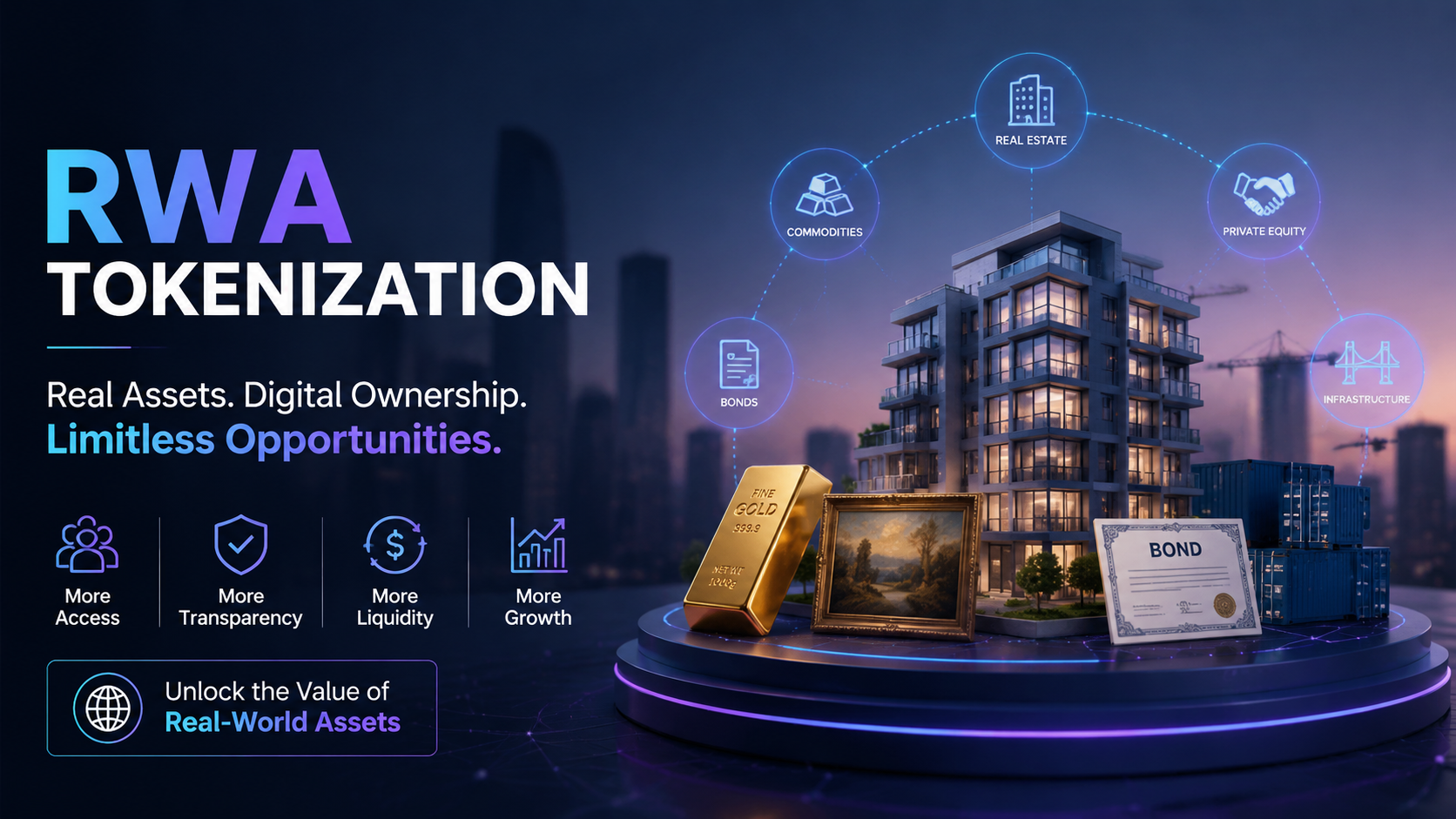
These benefits explain why industries including real estate, private equity, commodities, trade finance, and fixed-income markets continue exploring tokenization initiatives.
Final Thoughts
The RWA tokenization sector continues to mature as blockchain technology becomes increasingly integrated into institutional finance. While each company highlighted above approaches tokenization differently, they collectively demonstrate how blockchain can modernize ownership, investment, and asset management.
Businesses evaluating tokenization partners should consider factors such as blockchain expertise, security practices, compliance capabilities, scalability, interoperability, and the ability to customize solutions according to specific business requirements. As regulatory clarity improves and institutional adoption accelerates, RWA tokenization is expected to remain one of the defining trends shaping the future of digital finance.

No Comment