

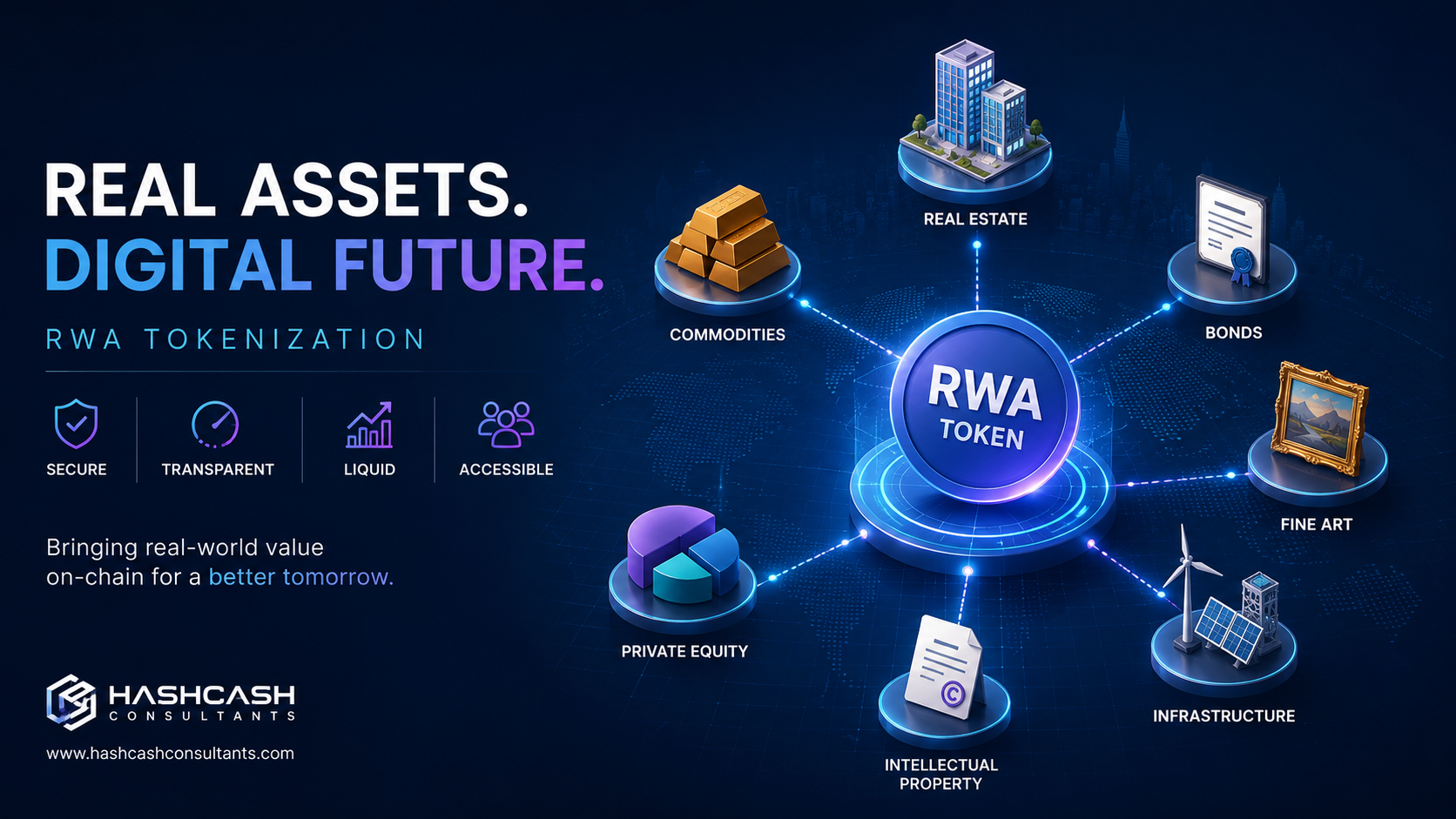
The financial world is undergoing a fundamental transformation. Assets that once existed only on paper or within traditional financial systems are now being represented as secure digital tokens on blockchain networks. From commercial real estate and precious metals to government bonds and fine art, Real-World Asset (RWA) tokenization is bridging traditional finance with decentralized technology, unlocking new opportunities for businesses and investors alike.
As enterprises seek greater liquidity, transparency, and operational efficiency, tokenization is becoming one of the most promising applications of blockchain technology. Organizations exploring digital transformation are increasingly leveraging blockchain infrastructure to modernize asset ownership and investment models. Businesses looking to understand this transition often begin with enterprise-grade Blockchain Consulting Services and strategic implementation guidance to evaluate how tokenization aligns with their operations and regulatory requirements.
What Is Real-World Asset (RWA) Tokenization?
Real-World Asset (RWA) tokenization is the process of converting ownership rights of a physical or traditional financial asset into digital tokens that exist on a blockchain. Each token represents a verifiable stake in the underlying asset while maintaining a transparent and immutable ownership record.
Rather than replacing the physical asset, tokenization creates a digital representation of its ownership. The legal rights remain tied to the real-world asset, while blockchain manages ownership records, transfers, compliance rules, and settlement.
Assets commonly tokenized include:
- Residential and commercial real estate
- Gold, silver, and other commodities
- Government and corporate bonds
- Private equity
- Artwork and collectibles
- Intellectual property
- Carbon credits
- Infrastructure projects
This approach combines the security of blockchain with established legal ownership frameworks, making assets easier to manage, divide, and transfer. Modern RWA implementations typically rely on hybrid models where blockchain handles ownership and settlement while legal agreements, custodians, and compliance remain off-chain.
How Does RWA Tokenization Work?
Although the technology behind tokenization can be sophisticated, the process follows a logical sequence.
1. Asset Identification and Valuation
The asset is first identified and independently valued. This establishes its market value before digital representation begins.
2. Legal Structuring
Ownership rights are clearly defined using appropriate legal entities, trusts, or special purpose vehicles (SPVs). This ensures token holders possess legally enforceable rights rather than simply holding digital collectibles.
3. Digital Token Creation
Smart contracts create blockchain-based tokens representing ownership interests. These contracts automate important functions such as transfers, dividend distributions, compliance checks, and investor permissions.
4. Regulatory Compliance
Know Your Customer (KYC), Anti-Money Laundering (AML), and jurisdiction-specific regulations are integrated into the platform before tokens are issued to investors.
5. Trading and Management
Once issued, tokenized assets can be transferred or traded on compliant digital marketplaces while ownership records remain permanently stored on blockchain.
Why Is RWA Tokenization Gaining Momentum?
The appeal of tokenization extends far beyond cryptocurrencies. It addresses several long-standing inefficiencies in traditional asset markets.
-
Increased Liquidity
Many physical assets are difficult to sell quickly. Tokenization enables fractional ownership, allowing investors to purchase smaller portions instead of entire assets. This expands market participation while improving liquidity.
-
Fractional Ownership
Instead of requiring millions of dollars to purchase commercial real estate or private investment opportunities, investors can buy smaller tokenized portions that fit their investment capacity.
-
Faster Settlement
Traditional financial transactions often require multiple intermediaries and several business days to settle. Blockchain networks can significantly reduce settlement times while maintaining secure records.
-
Greater Transparency
Every transaction is recorded on an immutable ledger, reducing disputes and providing auditable ownership histories.
-
Lower Administrative Costs
Automation through smart contracts reduces paperwork, manual reconciliation, and intermediary expenses across the asset lifecycle.
Which Industries Are Benefiting?
RWA tokenization is no longer limited to experimental blockchain projects. Several industries are actively exploring production-grade implementations.
Real Estate
Property developers can raise capital by offering fractional ownership, making large projects accessible to a broader investor base.
Financial Services
Banks and asset managers are experimenting with tokenized bonds, treasury products, and private credit instruments to improve operational efficiency.
Commodities
Gold, silver, and other commodities can be digitally represented while maintaining physical custody and reserve verification.
Supply Chain Finance
Invoices, trade receivables, and financing instruments can be tokenized, creating faster access to working capital.
Alternative Investments
Fine art, luxury collectibles, and intellectual property become more accessible through fractional digital ownership.
Challenges Businesses Must Address
While the opportunities are significant, successful tokenization requires more than blockchain development.
Regulatory Complexity
Each jurisdiction applies different securities, taxation, and investor protection laws. Compliance remains one of the most critical aspects of any tokenization project.
Custody and Asset Verification
Digital tokens are only as trustworthy as the systems verifying the underlying physical assets. Independent custodians, audits, and proof-of-reserve mechanisms play an essential role.
Technology Integration
Enterprises often need tokenization platforms to integrate with existing ERP systems, banking infrastructure, identity verification, and payment networks.
Secondary Market Liquidity
Creating tokens is relatively straightforward. Building active markets where investors can easily trade those tokens remains an ongoing challenge across many asset classes.
Why Enterprises Need Strategic Blockchain Expertise
Tokenization projects combine legal, financial, operational, and technical considerations. Success depends on aligning all these components within a compliant framework.
Organizations typically require expertise in:
- Blockchain architecture
- Smart contract development
- Regulatory strategy
- Digital asset custody
- Enterprise integration
- Security auditing
- Cross-border compliance
This is where experienced blockchain consulting firms provide substantial value by helping businesses navigate both technological implementation and regulatory complexity.
Several established blockchain consulting firms help enterprises evaluate blockchain adoption strategies, develop digital asset infrastructure, and implement enterprise-grade blockchain solutions across multiple industries. Businesses considering tokenization initiatives can also benefit from broader expertise in Blockchain Application Development, ensuring that secure, scalable applications support the complete lifecycle of digital assets.
The Future of Tokenized Assets
Industry analysts increasingly view RWA tokenization as one of blockchain’s most impactful long-term applications. Rather than replacing traditional finance, tokenization is enhancing it by making assets more programmable, accessible, and efficient.
As regulations mature and institutional participation increases, tokenized assets are expected to become a standard component of modern financial infrastructure. Governments, banks, asset managers, and enterprises are already investing in the technologies required to support this transition.
The future is unlikely to be entirely digital or entirely traditional. Instead, it will be a HYBRID ecosystem where physical assets retain their legal foundations while blockchain provides faster settlement, improved transparency, and broader market accessibility.
For organizations preparing for this shift, understanding RWA tokenization today may become a significant competitive advantage tomorrow.


No Comment